


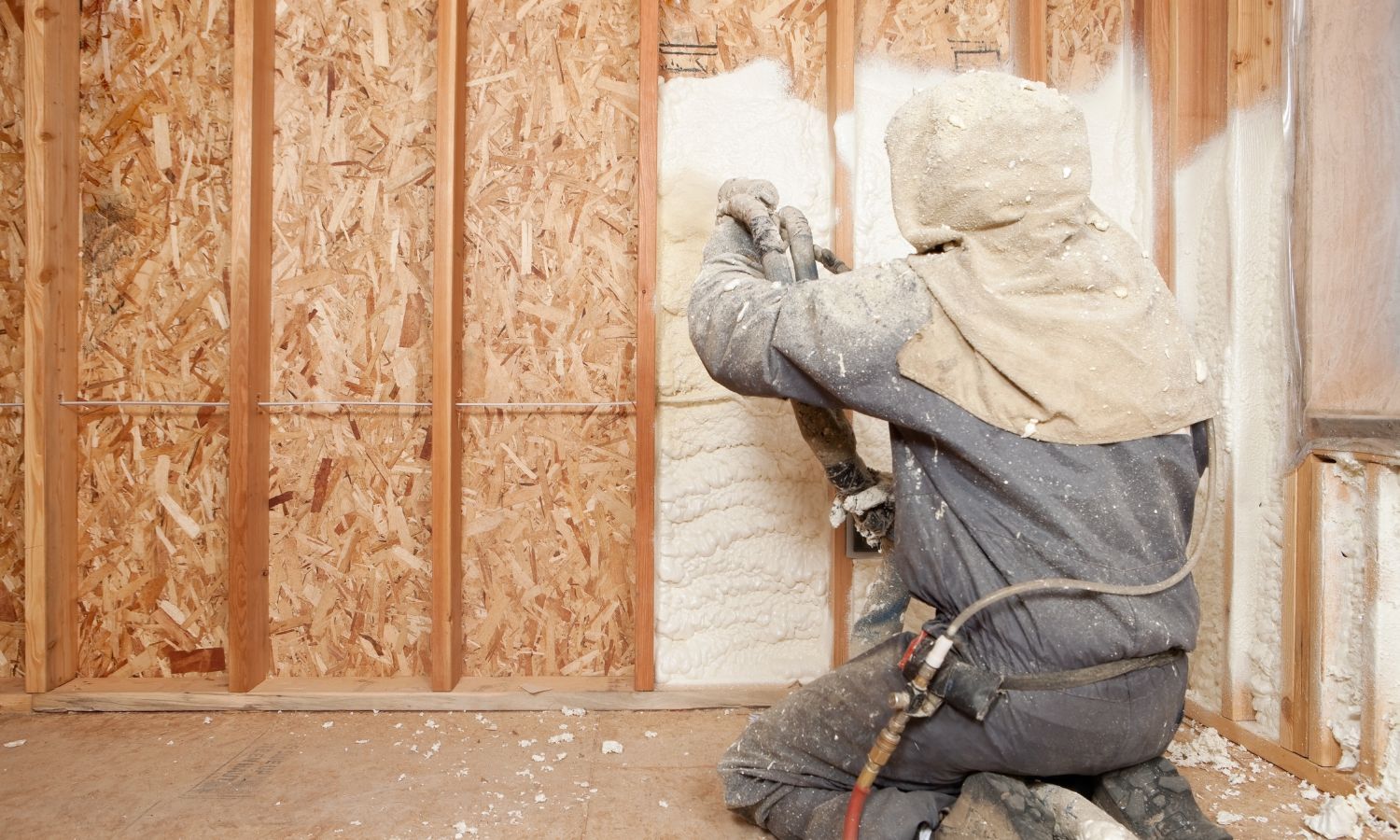
03 Jan Addressing Common Myths About Spray Foam Insulation
When it comes to spray foam insulation, it’s easy for misunderstandings to take hold, especially given the sheer amount of information—and misinformation—available. Add to that the anecdotes you might hear from friends or family, often passed along like a game of “Telephone,” and it’s no wonder myths abound. What starts as a small misunderstanding can quickly morph into something entirely inaccurate.
Over the years, spray foam insulation has undergone significant advancements. Claims that were once true may no longer apply, and not all types of foam are the same, making it tricky to draw direct comparisons. Even choosing the right real estate agent may not help since the insulation industry can sometimes be confusing. With numerous manufacturers and products on the market, it’s clear that not all foam insulation is created equal.
Common Myths and Misconceptions About Spray Foam Insulation
What Is a Misconception?
A misconception is a mistaken belief or incorrect understanding about a topic. In the case of spray foam insulation, these misconceptions often stem from outdated information or confusion about the technology.
Myth: Closed Cell Spray Foam Adds Structural Support to a Home
While closed cell spray foam is undeniably durable, it’s a stretch to claim it provides substantial structural support. In reality, the strength of drywall often surpasses that of closed cell foam when it comes to structural integrity.
If your home design relies on insulation for structural support, the issue lies in the building’s design rather than the type of insulation used. Think of insulation as a supplement to your home’s efficiency, not its framework.
Myth: Spray Foam on Roof Decks Damages Shingles
One long-standing belief is that applying spray foam insulation to a roof deck generates excessive heat that ruins shingles. This misconception likely stems from the early days of attic insulation, when theories about “hot roofs” gained traction.
In truth, spray foam insulation acts as a temperature barrier, not a heat source. It may cause the temperature of an unvented attic to rise slightly, but this minimal increase is not enough to harm shingles.
Studies show that shingles in unvented attics only experience a minor temperature rise—just a few degrees compared to vented attics. In southern climates, this might reduce shingle lifespan by a single year. However, in northern climates like Michigan, no significant impact on shingle longevity has been observed.
Myth: Spray Foam Produces a Lingering Odor
Another concern is that spray foam insulation emits an unpleasant smell that persists for years. While some foam products may have an odor, the key is choosing the right contractor and materials.
Reputable contractors use high-quality spray foam products with minimal to no odor. Our team prioritizes thorough research to ensure customers avoid issues with unpleasant smells or lengthy occupancy delays. For instance, we’ve even completed attic insulation projects in sensitive environments, such as a facility for terminally ill children, without any problems.
Myth: Open Cell Spray Foam Absorbs Water Like a Sponge
Open cell spray foam has sometimes been criticized for absorbing water, which could lead to mold and mildew growth. However, advancements in foam technology have addressed these concerns.
Modern open cell spray foam doesn’t retain water or promote mold growth, making it a reliable choice for homeowners. That said, not all open cell products are created equal. This is why it’s crucial to verify the materials being used for your project.
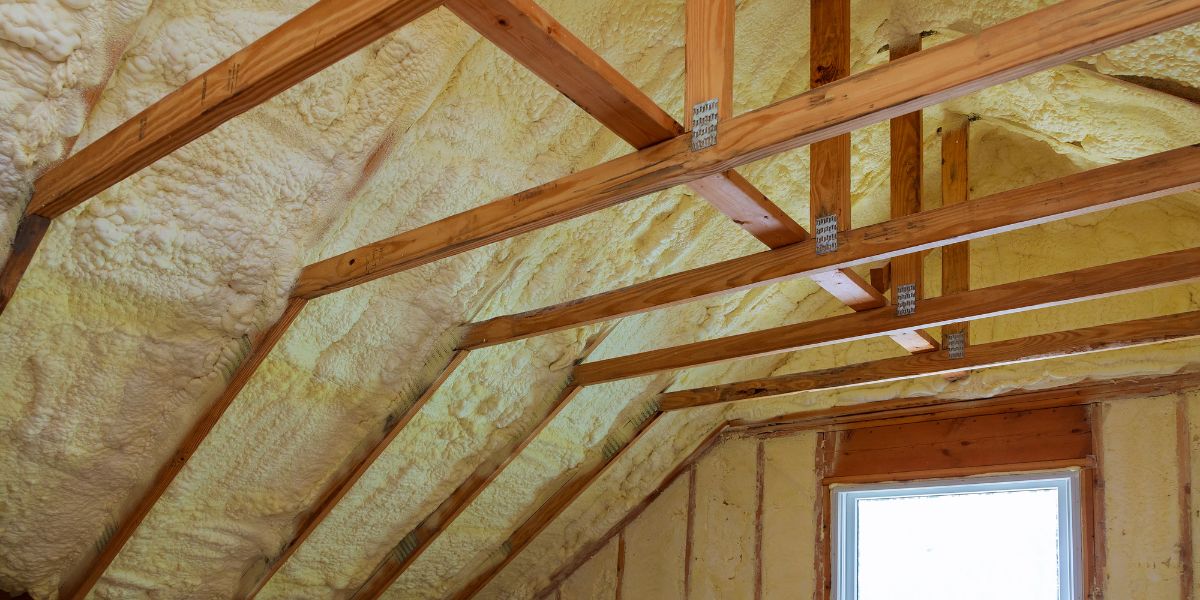
Myth: Closed Cell Foam Is Always Better for Attic Insulation
Many assume closed cell spray foam is the superior choice for attic insulation due to its higher R-value, but this doesn’t mean it’s always the best option. Both open and closed cell foams provide an effective air seal, but open cell foam offers unique advantages for the attic.
Open cell foam is better suited for roof decks, regardless of climate. If a roof leak occurs, open cell foam makes it easier to detect the issue, while closed cell foam can trap moisture against the wood, potentially causing damage. Once the leak is repaired, the open cell foam dries quickly, functioning like the wick of an old-fashioned lantern, drawing moisture away.
Myth: You Need to Leave Your Home for Days After Installation
There’s a misconception that spray foam insulation requires homeowners to vacate their property for an extended period. This might have been true with older products or less experienced contractors, but today, this isn’t the case.
Modern spray foam products have a quick curing time and minimal odor. Homeowners don’t need to leave their property during installation, though it’s recommended to stay out of the immediate area where work is being done.
Myth: Spray Foam Shrinks Over Time
Concerns about foam shrinking often arise from poorly applied or improperly mixed foam. However, when installed correctly under suitable conditions, high-quality spray foam remains stable.
Experience matters significantly in foam insulation projects, so it’s essential to choose an experienced contractor who knows how to apply the material correctly.
Myth: Foam Insulation Can’t Be Installed in Winter
Spray foam insulation is versatile enough to be installed year-round, even during winter. The only limitation would be severe weather conditions that make it unsafe for workers to be outdoors.
Myth: Existing Walls Can Be Insulated Through the Attic
Some believe that existing exterior walls can be insulated by accessing them from the attic. In reality, this approach is not practical or effective. The top plate of the walls is often too difficult to access, and even if it were possible, the insulation wouldn’t fill the cavities properly.
Instead, walls are insulated from the exterior by drilling small holes into the siding or, if necessary, from the inside of the home. This ensures a complete and efficient fill.
Myth: Wiring Can’t Be Done in Walls with Foam Insulation
Contrary to this belief, open cell foam insulation is pliable and doesn’t hinder electrical work. Whether you’re running new wires or making repairs, open cell foam allows for easy adjustments. Wires can be pushed or fished through the foam, and if the wall is open, sections of foam can be cut out as needed.
Myth: Foam Insulation Completely Seals Around Windows and Doors
Spray foam effectively fills gaps and cavities where it is applied, but small gaps around windows and doors often require additional sealing. In new construction, these areas are typically filled with specialized foam. For existing homes, sealing around trim with silicone caulk is an easy fix to address minor air leaks.
Myth: Foam Insulation Makes a House Too Airtight
Concerns about a house being “too tight” with foam insulation often relate to air quality and humidity. Modern HVAC systems in new homes are designed to manage air exchange, maintaining a healthy balance.
For existing homes, addressing air quality is as simple as running a bathroom fan or kitchen hood once a day to circulate fresh air.
Myth: Foam Insulation Soundproofs a Room
While spray foam significantly reduces noise, it doesn’t completely eliminate it. Open cell foam offers sound-dampening properties, reducing noise by up to 80%, but construction factors like ductwork and pipes can still allow sound to travel.
Myth: Closed Cell Foam Is Superior Due to Its R-Value
Closed cell foam is often touted for its higher R-value, but this doesn’t mean it’s the best choice for every situation. Open cell foam is typically more cost-effective for homes and provides a reliable air seal. Closed cell foam is better suited for applications like pole barns and commercial buildings.
Myth: Existing Walls Can’t Be Insulated Without Removing Drywall
Injecting foam insulation into existing walls can be done without tearing down drywall. By working with the home’s exterior siding, contractors can drill small holes, inject the foam, and seal the openings, leaving the home looking as good—or better—than before.
Myth: Spray Foam Is Flammable
The spray foam products used by high quality insulation contractors are Class One Fire Rated, meaning they don’t support fire spread and will extinguish once the flame source is removed. These materials are safe, non-toxic, and even help reduce fire risks by creating an air seal that can limit oxygen flow to attic fires.
Myth: More Insulation Equals Better Results
While it might seem logical that more insulation is better, this isn’t always true. Traditional materials like fiberglass or cellulose don’t create an air seal, so even a thick layer won’t prevent air movement. Foam insulation provides superior performance with just 3 inches of open cell or 2 inches of closed cell foam, ensuring an airtight seal.
Myth: Foam Insulation Is Prohibitively Expensive
Spray foam insulation does have a higher upfront cost compared to fiberglass or cellulose, but it pays off over time. Traditional insulation requires maintenance and eventual replacement, while spray foam lasts the lifetime of your home and reduces energy bills by minimizing air leakage.
Investing in foam insulation saves homeowners money in the long run, both on energy costs and by eliminating the need for frequent updates or replacements.
The Importance of Choosing the Right Contractor and Materials
Spray foam insulation is a powerful tool for improving energy efficiency, comfort, and overall home performance. However, navigating the market requires accurate information and careful decision-making.
By debunking these common misconceptions, we hope to provide homeowners with clarity and confidence in their insulation choices. If you’re considering spray foam insulation, make sure you work with a knowledgeable contractor who uses top-quality products designed to meet modern standards. With the right approach, you can enjoy the many benefits spray foam has to offer—without falling victim to outdated myths.