

27 Sep Top 5 Benefits of Installing Vinyl Siding on Your Commercial Building
Choosing the right siding material for a commercial building significantly impacts the property’s appearance and longevity. As the exterior is often the first thing people notice, the siding plays a crucial role in shaping a building’s aesthetic appeal and ability to withstand environmental factors. Vinyl siding has become popular among commercial property owners due to its versatility, durability, and cost-efficiency. Let’s dive deeper into the top five benefits of installing vinyl siding on your commercial building.
1. Cost-Effective Installation and Long-Term Savings
Controlling expenses is always a priority when managing a commercial property. Vinyl siding is one of the most cost-effective options available for installation and long term maintenance.
- Affordable Upfront Costs: Compared to other materials like wood, brick, or fiber cement, vinyl siding is more affordable to purchase and install. These savings can be significant for large scale commercial projects, making it an attractive option for property owners and contractors working within a budget.
- Minimal Maintenance Costs: Vinyl siding’s cost-effectiveness extends beyond installation. Unlike wood siding, which requires periodic painting, staining, or sealing, vinyl siding is designed to retain its appearance without these extra expenses.
- Reduced Repair Expenses: Vinyl siding’s durability means it’s less likely to sustain damage requiring costly repairs. It’s resistant to common issues like rot, insect infestation, and warping, which can be problems with other types of siding.
Example: A commercial office building with wood siding might require repainting every 3-5 years, costing thousands of dollars each time. In contrast, vinyl siding will maintain its appearance without additional painting, allowing you to reallocate those savings to other aspects of property management, such as landscaping or interior renovations.
Commercial property owners can achieve a high quality exterior finish by choosing vinyl siding without the financial strain associated with other materials. If you’re exploring cost-efficient options, vinyl siding is worth serious consideration for new builds and renovation projects.

2. Vinyl Siding is Durable and Weather-Resistant
Various weather conditions expose commercial properties year-round, making durability a key factor when selecting siding material. Engineers design vinyl siding to endure harsh elements, making it suitable for properties in diverse climates.
- Resistance to Extreme Weather: Whether your commercial property is located in a region with heavy snowfall, intense heat, or frequent rainstorms, vinyl siding is built to withstand these conditions. It doesn’t absorb moisture, so it won’t warp, crack, or rot when exposed to rain or humidity.
- UV Resistance: Sun exposure can cause some siding materials to fade or degrade over time, but modern vinyl siding is treated to resist UV damage. This treatment ensures that your building’s exterior retains its vibrant color, even after years of exposure to the sun.
- Impact Resistance: Commercial buildings are often subjected to wear and tear, whether from hail, wind-driven debris, or accidental bumps and knocks. Vinyl siding’s composition makes it impact resistant, reducing the likelihood of dents, cracks, or other damage.
Real-World Application: Consider a retail complex in a region prone to intense storms or hurricanes. Vinyl siding can provide the necessary protection against wind and rain, helping to minimize potential damage and the costs associated with repairs. This level of durability is a significant advantage for property managers who want a siding option that can withstand the elements without frequent maintenance.
3. Vinyl Siding Has Low Maintenance Requirements
Maintenance is a crucial factor when selecting materials for a commercial building. Frequent repairs or upkeep can quickly become costly and time consuming, especially for larger properties. Vinyl siding offers a low-maintenance solution, making it an ideal choice for busy property managers.
- Easy Cleaning: Vinyl siding is incredibly easy to clean. Dirt, grime, and mildew can accumulate on any building’s exterior over time, but a simple rinse with a garden hose or a quick wash with soap and water can restore vinyl siding to its original state. This means fewer labor costs and less time spent on maintenance.
- No Need for Repainting: Unlike wood siding, which requires regular painting or staining to maintain its appearance, vinyl siding is designed to keep its color for many years. This eliminates the need for periodic painting, which is a significant cost and time-saving benefit.
- Mold and Pest Resistance: Vinyl siding is less susceptible to mold growth and pest infestations, unlike wood, which can attract termites or become a breeding ground for mold in damp conditions. This resistance means fewer worries about potential damage or costly treatments over the siding’s lifespan.
Practical Example: Consider a multi-story office building with extensive exterior walls. Painting such a structure would be costly, both in terms of labor and materials. Vinyl siding eliminates this expense, as it maintains its vibrant color without the need for repainting, allowing property managers to avoid these recurring costs.
4. Vinyl Siding Increases Energy Efficiency
Energy efficiency is an increasingly important consideration for commercial property owners, impacting operating costs and environmental sustainability. Insulated vinyl siding offers thermal protection to help regulate indoor temperatures.
- Temperature Regulation: Insulated vinyl siding can keep a building warmer in winter and cooler in summer by reducing heat transfer through the walls. This temperature regulation means less reliance on heating and cooling systems, lowering energy bills.
- Improved Insulation: Vinyl siding can be paired with insulated foam backing, an additional barrier against heat loss or gain. This improves energy efficiency and enhances the overall comfort of the building’s interior spaces.
Quick Fact: According to the U.S. Department of Energy, improving a building’s insulation can reduce heating and cooling costs by up to 15%. By installing insulated vinyl siding, commercial property owners can use these energy savings, contributing to a more sustainable and cost-efficient operation.

5. Vinyl Siding Boosts Versatility and Aesthetic Appeal
In commercial real estate, appearance matters. A building’s exterior is often the first thing potential tenants, clients, or customers notice, so it’s crucial to maintain an attractive and professional look. Vinyl siding offers a versatile range of styles, colors, and textures, allowing property owners to customize their building’s appearance to match their brand or design preferences.
- Variety of Styles: Whether looking for a modern, sleek appearance or a more traditional look, vinyl siding comes in many styles, including clapboard, Dutch lap, and board and batten. This flexibility makes it easy to achieve the desired aesthetic for any commercial building.
- Color Retention: Unlike other siding materials, vinyl siding is designed to retain its color, even after years of exposure to the elements. This ensures that your building maintains its fresh, clean appearance over time.
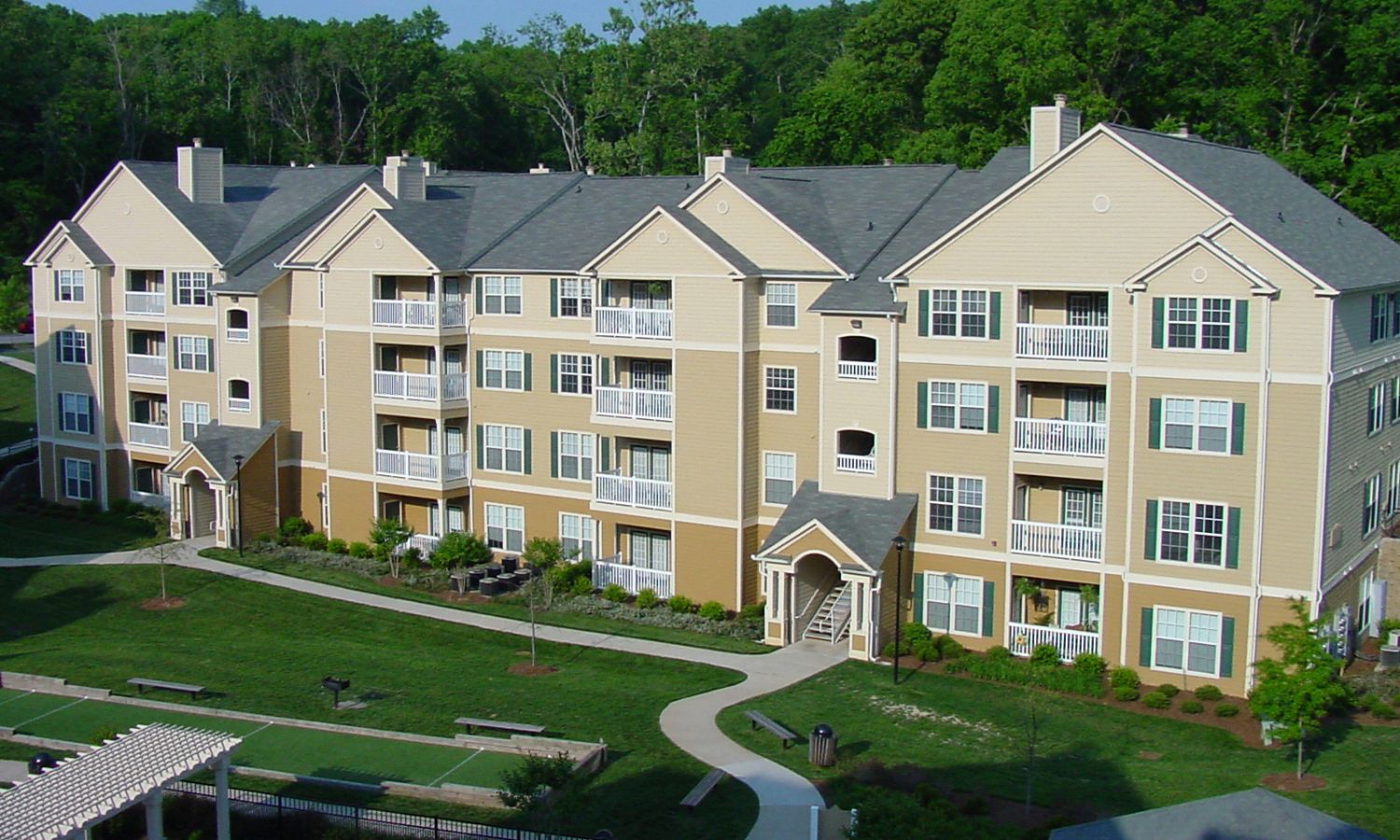
Real-World Impact: For businesses such as retail stores, office complexes, or apartment buildings, having a visually appealing exterior can be a crucial factor in attracting tenants or customers. Vinyl siding’s ability to enhance curb appeal can make a property stand out, improving its marketability and desirability.
The Smart Choice for Commercial Buildings
Vinyl siding offers numerous benefits, making it a smart choice for commercial properties. Its cost-effectiveness ensures an attractive, professional appearance without overspending, while its durability and low maintenance mean fewer long-term expenses. Vinyl siding’s energy efficiency helps reduce heating and cooling costs, making it a practical investment for commercial buildings.
To maximize these benefits, you must work with a vinyl siding expert who can guide you in choosing the right options and ensure a flawless installation. By partnering with a professional, you can be confident that your commercial property will benefit from enhanced protection, energy savings, and curb appeal for years to come.