


04 Feb The Psychology of Shelter: Reducing ‘Home Anxiety’ with a Secure New Roof
The Psychology of Shelter: Reducing ‘Home Anxiety’ with a Secure New Roof
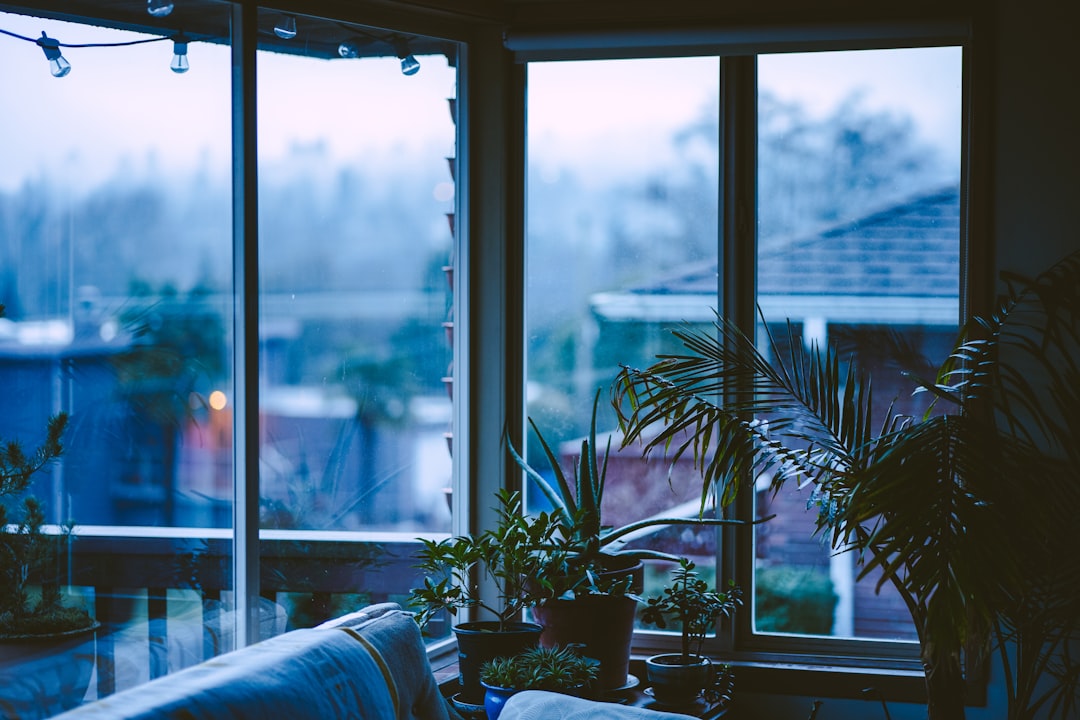
Is the sound of rain comforting or concerning? For some, it’s a soothing lullaby, the perfect soundtrack for a cozy evening. For others, it’s a trigger for anxiety—a frantic mental checklist of potential leaks, drips, and impending damage. This difference often comes down to one thing: your confidence in your home’s primary shield, the roof over your head.

This persistent, low-grade stress caused by a feeling of insecurity within your own living space has a name: ‘Home Anxiety.’ It’s the worry that gnaws at you during a storm, the dread of a discolored spot on the ceiling, and the financial fear of a major, unexpected repair. This feeling isn’t just about property; it’s deeply psychological. The expertise and craftsmanship behind your home’s construction, especially its roof, directly impact your ability to feel truly safe.
This post explores the deep-seated psychological need for secure shelter and how a sound, reliable roof does more than just keep you dry. It provides profound peace of mind, reduces chronic stress, and restores your home to its rightful place as a true sanctuary.
Key Takeaways
- ‘Home Anxiety’ is Real: This is a legitimate form of chronic stress rooted in our fundamental human need for safe and secure shelter. When your home feels vulnerable, so do you.
- A Failing Roof Impacts Your Health: The constant, low-level threat of a failing roof can keep your nervous system in a state of high alert, contributing to poor sleep, irritability, and an inability to fully relax.
- Recognize the Warning Signs: Behaviors like anxiously checking the weather forecast, constantly scanning ceilings for water stains, and procrastinating on repairs due to financial worry are all symptoms of home-related anxiety.
- The Solution is Psychological and Physical: A professionally installed new roof provides an immediate sense of relief, turning anxiety triggers like rainstorms back into neutral or even pleasant events.
- Expertise is the Foundation of Peace of Mind: True security comes not just from new materials, but from the confidence that the job was done right by a trusted expert, ensuring long-term protection and value.
Why Your Brain Craves a Secure Shelter
To understand why a leaky roof can cause so much mental distress, we need to look at our most basic human needs. It’s not just about avoiding water damage; it’s about satisfying a primal instinct for safety that is hardwired into our brains.
More Than a House: Your Home as a Foundational Need
In his famous “Hierarchy of Needs,” psychologist Abraham Maslow identified safety and security as a foundational human requirement, second only to our immediate physiological needs like air, water, and food. According to Maslow’s theory, we cannot pursue higher-level needs like love, esteem, and self-actualization until we feel safe.
Your home is the physical embodiment of this safety need. It’s meant to be your “secure base”—a place from which you can confidently go out into the world and to which you can retreat to recharge and feel protected. When that base feels compromised by a failing roof, it creates a constant, underlying stress that can ripple out and affect every other area of your life. The structure isn’t just a house; it’s the container for your life and well-being.
The Science of Stress: How a Failing Roof Impacts Your Nervous System
Your body’s stress response, often called the “fight-or-flight” mechanism, is designed to handle immediate, short-term threats. When faced with danger, your brain signals the release of hormones like adrenaline and cortisol. This is incredibly useful if you need to escape a predator, but it becomes harmful when the “threat” is persistent and unresolved.

A roof that might fail during the next storm is exactly that kind of persistent threat. Every dark cloud or gust of wind can trigger a low-grade stress response. This can keep your body in a state of high alert, leading to a host of physical and mental symptoms. The American Psychological Association notes that chronic stress can lead to headaches, sleeplessness, irritability, and a weakened immune system. You may find yourself unable to fully relax, even when the weather is calm, because the potential for disaster is always lurking in the back of your mind.
Do You Have ‘Home Anxiety’? Recognizing the Signs
This form of anxiety doesn’t always manifest as a full-blown panic attack. More often, it’s a collection of subtle habits and persistent worries that degrade your quality of life. Do any of these behaviors sound familiar?
The Weather Watcher
You find yourself checking the weather forecast multiple times a day. But it’s not out of simple curiosity; it’s a screening process for threats. The mention of “heavy rain,” “high winds,” or “hail” sends a jolt of anxiety through you. You don’t just plan your commute around the weather; you plan your emotional state, bracing for the worry that a storm will bring. A relaxing evening is impossible when you’re listening intently for the first sign of a drip.
The Ceiling Scanner
It has become an unconscious habit. Upon entering a room, your eyes drift upward, scanning the ceilings and corners. You’re on a constant search for new water stains, bubbling paint, or dark spots that signal trouble. After every storm, you conduct a meticulous, anxious tour of your home, half-expecting to find evidence of a new leak. This hyper-vigilance prevents your mind from ever truly being at ease in your own space.
The Financial Procrastination Loop
You know, deep down, that your roof needs attention. But the thought of the potential cost is so overwhelming that it paralyzes you. This creates a vicious cycle: the anxiety about the repair cost leads to inaction, which allows potential problems to worsen, likely leading to even more expensive damage down the road. This loop of worry and avoidance is mentally exhausting and only amplifies the financial dread, as small issues like minor leaks can escalate into major problems involving structural damage and mold remediation.
The Loss of Sanctuary
Perhaps the most significant sign is that your home no longer feels like a safe haven. Instead of being the one place in the world where you can let your guard down and recharge, it has become another source of stress. You may feel a sense of unease or even dread when you’re at home, especially when the weather turns. This erosion of your home’s role as a sanctuary is a clear indicator that ‘home anxiety’ has taken root.

The Cure: How a Secure New Roof Restores Peace of Mind
The solution to this deep-seated anxiety is as tangible as it is psychological. A professionally installed, secure new roof doesn’t just fix a structural problem; it provides a powerful and immediate cure for the mental burden you’ve been carrying.
From Anxious Nights to Peaceful Sleep: The Immediate Shift
The most profound change homeowners report after a roof replacement is an overwhelming sense of relief. The very next time it rains, the sound is no longer a source of dread but a soothing reminder of your home’s security. The wind is just wind, not a force testing the limits of your shelter. This isn’t just about a physical repair; it’s about reclaiming your home as a place of genuine comfort. You can finally sleep soundly through a storm, confident that you and your family are protected.
The Layers of Security: Understanding What Makes a Roof ‘Safe’
True peace of mind comes from knowing your roof is more than just a layer of shingles. A modern, high-performance roofing system is an integrated series of components working together to create a comprehensive shield. This is where expert craftsmanship makes all the difference.
| Component | Function | Why Expertise Matters |
|---|---|---|
| Underlayment | A waterproof or water-resistant barrier installed directly on the roof deck. | Proper installation is critical to prevent wind-driven rain from reaching the sheathing. An expert ensures no gaps or tears. |
| Flashing | Metal pieces used to direct water away from critical areas like chimneys, vents, and valleys. | This is where most leaks occur. Precise, custom fitting by a skilled installer is essential for a watertight seal. |
| Shingles/Covering | The outermost layer that sheds water and resists wind, hail, and UV rays. | Correct nailing patterns and overlaps are crucial for wind resistance and longevity. A professional knows the manufacturer’s exact specifications. |
| Ventilation | A system of intake and exhaust vents that allows air to circulate, preventing heat and moisture buildup. | Improper ventilation can lead to ice dams in winter and bake your shingles in summer, drastically shortening your roof’s lifespan. |
Understanding these layers shows that a “safe” roof is a product of meticulous, expert installation. You can explore our extensive resources on our blog sitemap to learn more about these critical components.
Beyond a Watertight Seal: The Ripple Effect of Confidence
The benefits of a new roof extend far beyond just keeping you dry, addressing other common sources of household anxiety:
- Financial Security: A new roof is one of the best home improvement investments you can make. The 2023 Remodeling Cost vs. Value Report shows that homeowners can expect to recoup a significant portion of the cost of an asphalt shingle roof replacement upon resale. It also prevents the cascading costs of water damage to insulation, drywall, and framing.
- Pride of Ownership: A new roof instantly boosts your home’s curb appeal. The satisfaction of seeing your well-maintained, protected home provides a daily dose of pride and reduces the mental load of a mounting to-do list.
- Energy Efficiency: Modern roofing materials, especially “cool roofs” with reflective granules, can significantly lower attic temperatures. According to the U.S. Department of Energy, this can reduce air conditioning needs and lower household energy bills, easing another common financial stressor.
Your Action Plan: Moving from Worry to Confidence
Overcoming ‘home anxiety’ requires a clear path forward. You can move from a state of worry and uncertainty to one of confidence and control by taking these deliberate steps.

Step 1: Get Clarity with a Professional Assessment
Anxiety thrives on the unknown. The single most powerful step you can take to eliminate it is to replace vague worries with concrete facts. A thorough, expert inspection will give you a clear and honest understanding of your roof’s true condition. This isn’t a sales pitch; it’s a fact-finding mission to determine the remaining lifespan, identify any problem areas, and outline your options. Knowledge is power, and a professional assessment puts that power back in your hands. You can see the full range of services we offer to help you get this clarity.
Step 2: Understand Your Investment in Long-Term Peace
Framing a new roof as a major expense can be daunting. Instead, view it as an investment in decades of security and peace of mind. When evaluating your options, consider not just the upfront cost but also the longevity, warranty, and performance of the materials. An expert can walk you through the systems that best fit your home, climate, and budget. For instance, as detailed in our guide for homeowners, those in storm-prone areas may invest in impact-resistant shingles for greater long-term security. The right choice will pay dividends in worry-free years.
Step 3: Choose a Partner, Not Just a Contractor
This is the most critical step. The ultimate peace of mind doesn’t just come from new shingles; it comes from the unwavering confidence that the job was done right. A contractor simply puts on a roof. A true partner is committed to protecting your most valuable asset and the family within it. True security is built on a foundation of superior craftsmanship, meticulous attention to detail, transparent communication, and a dedication to excellence. This is the value an experienced, reputable company like Jeff Freitag Construction provides—a promise of quality that lets you feel truly secure.
Reclaim Your Sanctuary Today
Your home should be a source of comfort, not a source of anxiety. The psychological need for a secure shelter is a powerful, undeniable part of being human, and a reliable, professionally installed roof is the cornerstone of that security.
An investment in a quality roof is a direct investment in your daily peace of mind, your family’s well-being, and your home’s long-term value. You don’t have to spend another season watching the clouds with a sense of dread.
Stop letting a worrisome roof dictate your emotional state. Contact the experts at Jeff Freitag Construction for a comprehensive, no-obligation assessment and take the first step toward reducing your ‘home anxiety’ for good.